
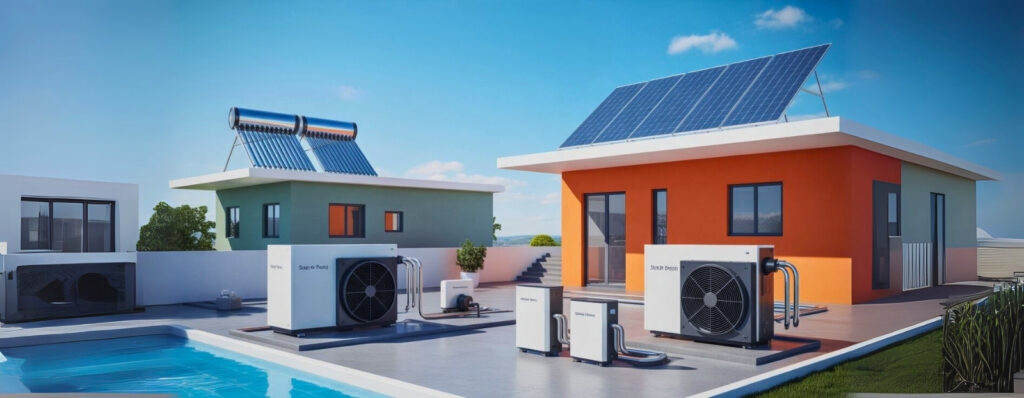
All Products

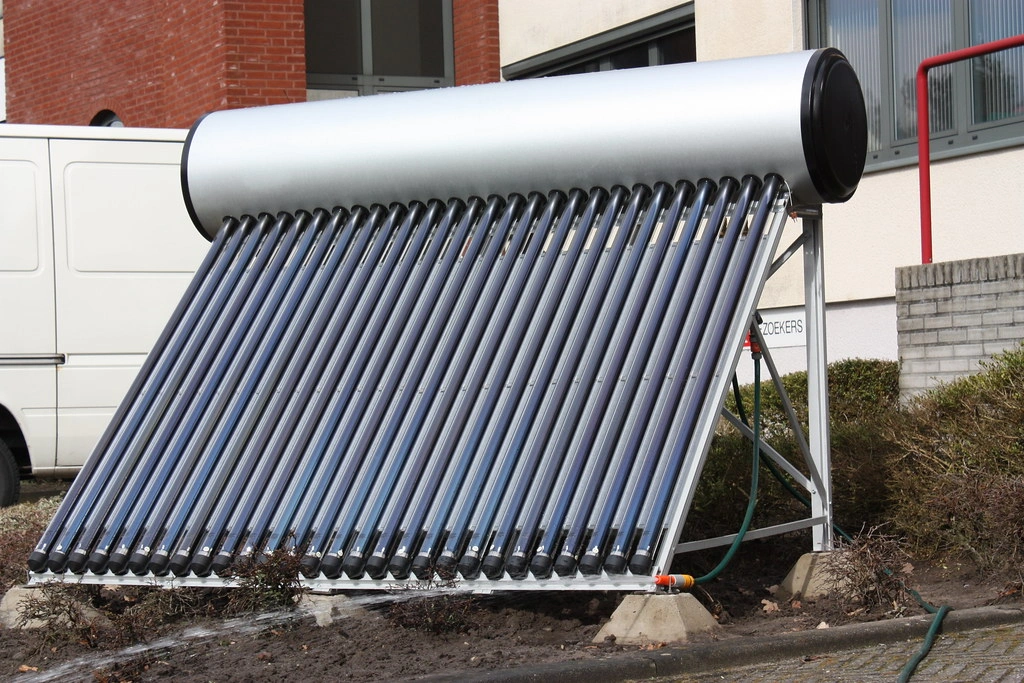
Solar Water Heater
What is Solar Water Heater ?
A solar water heater is an eco-friendly system that uses solar energy to heat water. It consists of solar collectors, usually installed on rooftops, that absorb sunlight and convert it into heat. This heat is then transferred to water stored in an insulated tank, providing a reliable supply of hot water for domestic, commercial, and even industrial use.
Benefits:
Cost-effective: Reduces electricity or gas bills by utilizing free solar energy.
Environmentally sustainable: Helps lower carbon emissions and reliance on fossil fuels.
Energy independent: Operates independently of the grid, useful in remote or off-grid areas.
Low maintenance and durable: Has fewer moving parts, resulting in long-lasting performance with minimal upkeep.
Good return on investment: Though the initial cost is higher, the savings over time are substantial.
Working Principle:
Solar collectors, either flat-plate or evacuated tube types, capture sunlight. This energy heats a fluid (typically water or antifreeze), which circulates through the system and transfers the heat to water stored in a tank. Some systems are passive, while others use pumps and include backup heaters for cloudy days.
Conclusion:
Solar water heaters offer a clean, efficient, and long-term solution for reducing energy costs and promoting environmental sustainability.
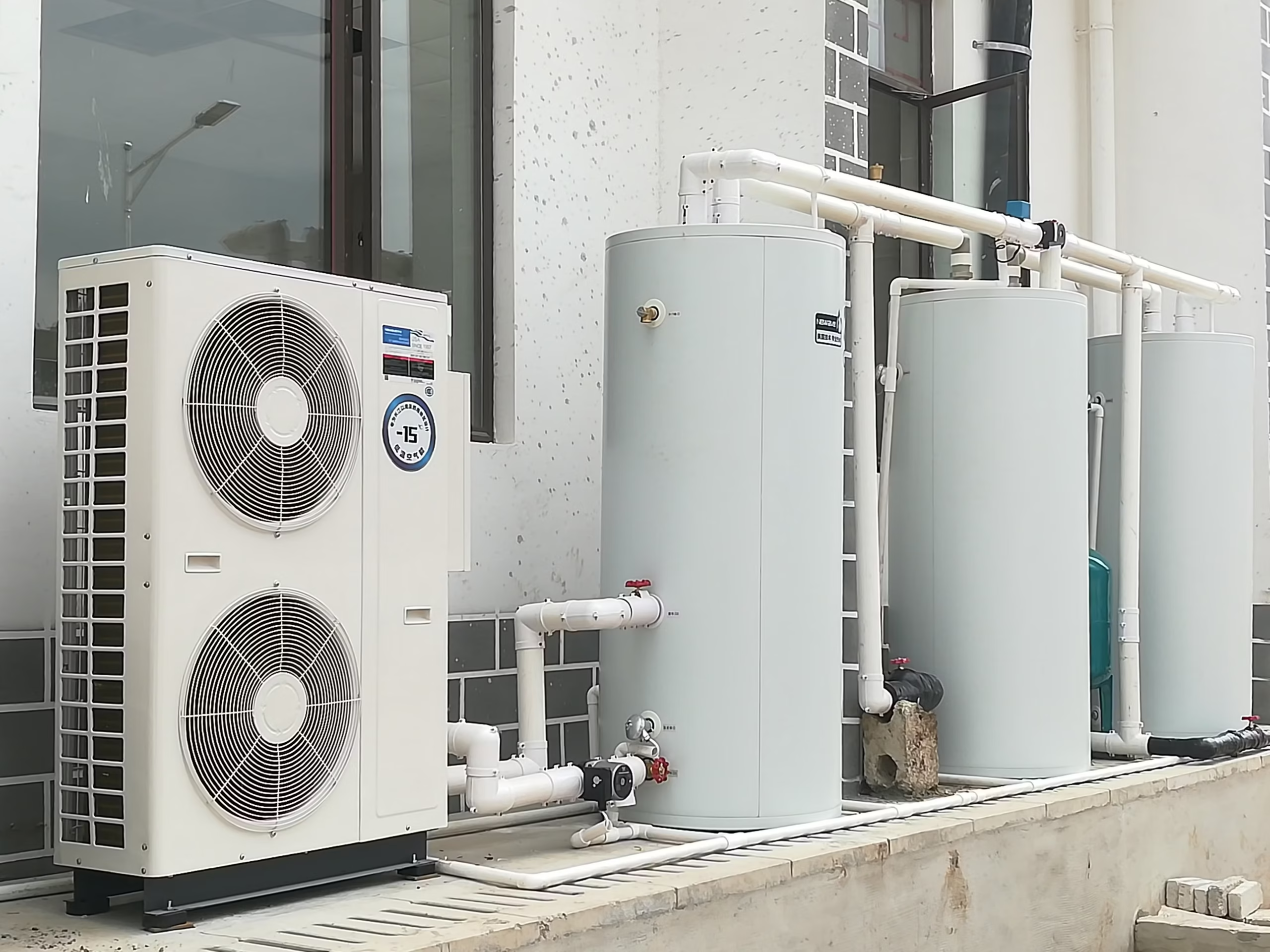
Air Source Water Heater
What is Air Source Water Heater?
An air-source heat pump water heater uses ambient air heat to warm water via a refrigerant cycle. It draws in surrounding air, extracts heat through an evaporator, compresses the refrigerant to increase temperature, and then transfers that heat to water in an insulated tank. Functioning like an upside-down refrigerator, this system provides hot water efficiently and sustainably
Benefits:
Energy-efficient: Delivers 3–5 kW of heat per kW of electricity (COP ≈ 3–5), using 60–75% less power than conventional electric heaters .
Environmentally sustainable: Cuts CO₂ emissions by up to 65%, contributing to greener living .
Cost-saving: Lower electric consumption contributes to long-term savings that offset the typically higher initial investment .
All-weather use: Operates effectively even in cooler air, with smart controls and defrost features; some models continue functioning below freezing .
Multi-functional: Offered in split units or hybrids; some models also dehumidify or support home heating .
Working Principle:
- The refrigerant cools, is throttled through an expansion valve, and the cycle repeats
- Air is blown over an evaporator coil containing refrigerant, causing it to vaporize.
- A compressor raises the temperature and pressure of the gas.
- The condenser transfers the heat to water in the tank.
Conclusion:
Air-source heat pump water heaters are intelligent, energy-smart solutions for modern hot-water needs. They offer high efficiency, reduced emissions, and substantial cost savings over time. While they require sufficient space, airflow, and a slightly higher upfront investment, their long-term environmental and financial benefits make them a compelling choice for sustainable family homes and businesses.
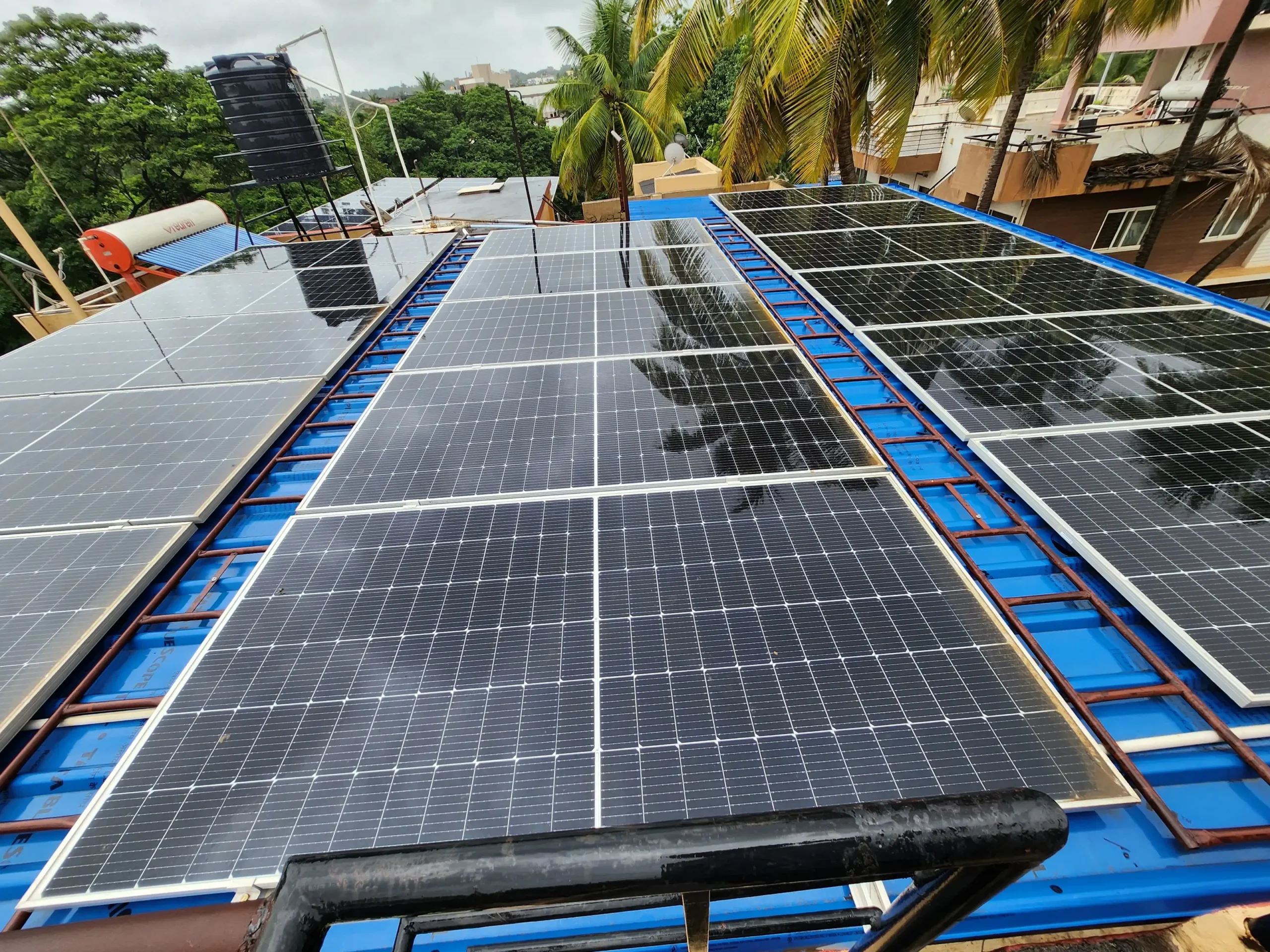
Solar Panel
What is Solar Panel ?
Solar panels, also known as photovoltaic (PV) panels, are devices that convert sunlight directly into electricity. They are made up of many solar cells, usually composed of silicon, which capture solar energy and generate direct current (DC) electricity. This DC power is then converted into alternating current (AC) by an inverter for use in homes, businesses, or to feed into the grid.
Benefits:
Renewable energy source: Uses abundant sunlight, reducing reliance on fossil fuels.
Cost-effective: Significantly reduces electricity bills and offers long-term savings.
Low maintenance: Requires minimal cleaning and has no moving parts.
Eco-friendly: Reduces greenhouse gas emissions and air pollution.
Energy independence: Reduces dependence on power grids and improves energy security.
Working Principle:
Solar panels capture sunlight through photovoltaic cells. When sunlight hits the cells, it excites electrons, generating an electric current. This current flows through a circuit to an inverter, which converts it from DC to usable AC electricity. Systems may include batteries for energy storage or net metering for excess power.
Conclusion:
Solar panels are a clean, efficient, and sustainable energy solution. Ideal for residential, commercial, and industrial use, they offer environmental benefits, long-term cost savings, and greater control over energy usage, contributing to a greener future.
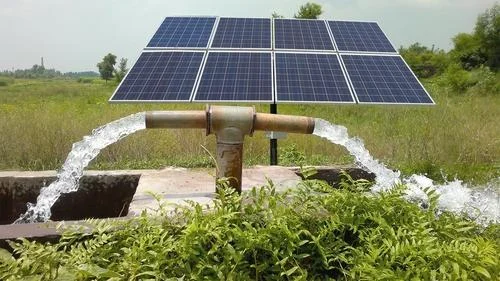
Solar Water Pressure Pump
What is Solar Water Pressure Pump?
A solar water pressure pump is a system that uses solar energy to operate a pump for increasing water pressure in residential, agricultural, or commercial applications. It is especially useful in areas with low or inconsistent water pressure and where grid electricity is unavailable or unreliable.
Benefits:
Eco-friendly: Operates entirely on solar power, reducing carbon emissions and environmental impact.
Cost-effective: Cuts electricity or diesel costs, with free energy from the sun.
Energy independent: Ideal for off-grid or remote locations with unreliable power supply.
Low operating costs: Minimal ongoing expenses after installation.
Reliable water supply: Maintains consistent water pressure for showers, irrigation, and household use.
Working Principle:
Photovoltaic (PV) solar panels convert sunlight into electrical energy. This power is supplied to a DC or AC pump (via an inverter if needed), which pressurizes the water. A pressure tank may be included to store and regulate water pressure. Some systems feature batteries to ensure continuous operation during cloudy periods or nighttime.
Conclusion:
Solar water pressure pumps provide an efficient and sustainable solution for enhancing water pressure in homes, farms, and rural areas. With low maintenance and long-term savings, they are a smart choice for energy-conscious water management.